How to dress for skiing?
To make the most of your skiing holiday, it is essential to know how to dress properly. You need very specific clothing and accessories, which will allow you to protect yourself from the cold, humidity and sun's rays, without sweating too much and while remaining comfortable. Here is our complete guide with tips on how to dress from head to toe during a winter stay in the mountains, whether you are a beginner, intermediate or experienced skier!
In summary
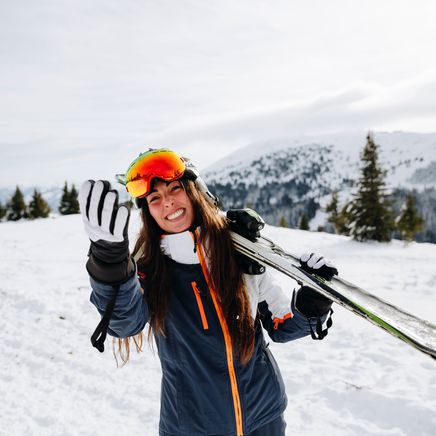
Dressing well for skiing requires technical attire that protects against cold, humidity, and UV rays while remaining breathable. Upper body: Apply the 3-layer rule: a breathable base layer (merino/synthetic), an insulating layer (fleece), and a waterproof and windproof jacket. Bottom: Opt for pants with optimal waterproofing for versatility, or a suit for maximum insulation. Essential accessories: Technical socks (without extra thickness), gloves or mittens, ski mask (category adapted to the weather), thin beanie under the helmet, and non-slip après-ski boots. In resort: Sport 2000 stores offer the sale of this technical equipment and personalized advice.
Dressing for skiing: properly protecting the upper body
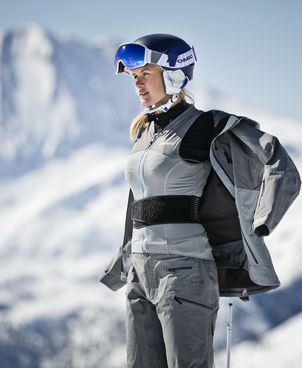
To dress effectively for skiing, the three-layer system is essential. The first layer, often made of technical breathable material such as merino wool or synthetic fibers. In any case, it needs to be a material designed to wick away perspiration while retaining warmth, and pleasant to the touch against the skin.
The mid-layer garment, usually a fleece or a technical pullover, serves as thermal insulation to retain body heat.
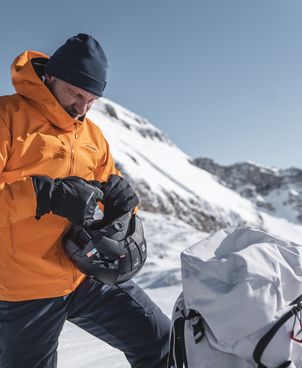
Finally, the third layer should be a waterproof and windproof jacket, essential for protection against bad weather such as snow or icy wind. Make sure it goes high enough to protect your neck. If you find this uncomfortable, then invest in a neck warmer to complete your outfit against the cold.
Of course, you must adapt your outfit and the different layers to the weather conditions : if the sun is shining and it is relatively warm, you can choose lighter clothes or ones that you can open. On the contrary, if the cold is biting, only wear long-sleeved tops and a warm ski jacket.
Don't forget comfort either: being warm is one thing, but you must have enough freedom of movement and be comfortable.
Dressing for skiing: choosing between ski pants and a ski suit
The bottom is just as essential as the top for enjoying skiing in good conditions. Whether it's pants or a suit, waterproofing is paramount to prevent snow or moisture from penetrating.
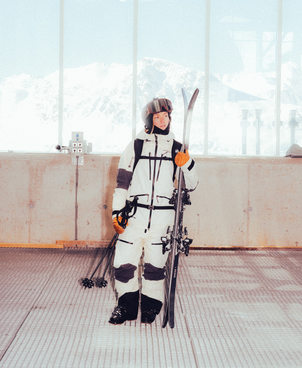
But should you prefer pants or a suit? Ski pants are often preferred for their practicality : they allow for easy adjustment of layers and a more modular style. The ski suit, on the other hand, offers enhanced protection against the cold and is ideal for children or skiers looking for simplicity. However, it can be less practical to put on or take off. The choice therefore depends on your priorities in terms of comfort and style, but the main thing is to favor suitable technical materials.
Equipping yourself with all essential ski accessories
Once the clothes are ready, let's move on to accessories! Because even with the best ski suit, you won't be properly protected if your hands or feet are subjected to moisture and cold, or if you are dazzled by the sun's reflection on the snow.
Ski socks
Choosing the right ski socks is very important for the comfort and warmth of your feet. Opt for specific models for winter sports, made of technical fibers or wool. They allow you towick away perspiration moisture while keeping your feet warm.
Avoid socks that are too thick, which could cause friction or compress your feet in ski boots. However, you can choose socks with reinforcements at the heel and toes for more comfort, and why not with gel reinforcement at the shin to reduce pain.
Gloves or mittens
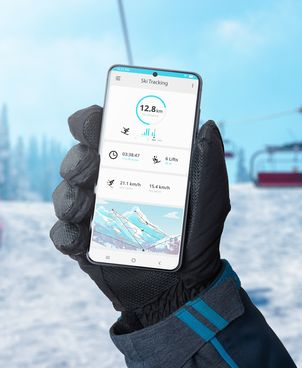
To prevent the cold from attacking and paralyzing your hands, gloves and mittens are also essential for skiing. Gloves offer good dexterity, while mittens, by keeping fingers together, are more effective at retaining warmth.
The heated models are an interesting option for those who particularly suffer from the cold.
The hat
Although the ski helmet is often sufficient to keep the head warm, a hat can be useful for off-piste moments. Choose a thin model, compatible with wearing a ski helmet, for optimal protection.
The ski mask or sunglasses
To protect your eyes from UV rays reflected by the snow and from bad weather, a ski mask is essential on the slopes. There are models for all budgets, integrating more or less technology. It is important to choose a ski mask whose screen category is adapted to mountain weather conditions (bright sun, cloudy weather, foggy weather, etc.) or to opt for a photochromic screen that adjusts according to the light.
You can also bring sunglasses, but rather for sunny days in the resort than for alpine skiing, as they protect a little less than a mask and hold less well on the head. Glasses also remain an option for cross-country skiing, Nordic walking, or snowshoe hiking for example.
Consider après-ski shoes or boots
Once the skis are off, après-ski shoes or boots become your best allies. Waterproof, insulating and equipped with non-slip soles, they allow you to walk comfortably on snow or ice without fear of moisture.
Choose lined models to keep your feet warm after a day on the slopes.
Buying your ski clothes and accessories: visit a Sport 2000 store
Are you now wondering how to get all this equipment, from pants to hats? Don't worry, the Sport 2000 stores in resort almost all have a well-stocked sales area, withmen's, women's, and children's collections. The on-site team can give you valuable advice on which technical garment is suitable for which weather condition, how to choose between different pants, what are the advantages of this or that material, which jacket will protect you best from the cold, etc. If it's your first time skiing, there's no need to worry: you'll find everything you need, without risk of making a mistake.
With a wide choice of clothing and accessories, you can easily put together a complete outfit to brave the elements on the slopes! And very often, the stores also offer a "lifestyle" section that will allow you to dress when you are not skiing and even for winter outside of ski holidays: down jackets, après-ski shoes, comfortable hiking pants, scarves, etc.
So, take advantage of the moment you pick up your rented equipment online to do a little shopping in store and put together a practical and stylish outfit for the holidays!