How to pack your bag well for a ski vacation?
What should you pack in your ski bag ? First, clothes: suit (or jacket and pants), underwear, gloves, hats, scarf... And of course skis, if they are not (too) obsolete. Also think about your safety and health, by bringing sunscreen, lip balm, bandages... Finally, put everything in a bag, both practical and robust. Discover more Sport 2000 tips in the following lines to properly prepare your ski trip and not miss anything during your mountain vacation!
In summary
Succeeding with your ski suitcase requires combining technical clothing, health accessories, and space optimization. Clothing: Bring waterproof and breathable attire (suit or jacket/pants), thermal underwear (to which add a fleece at high altitude), a ski mask, polarized goggles, thin socks, and warm gloves. Health & Safety: The helmet is highly recommended (CE-EN 1077 standard). For the first-aid kit, include SPF 50 sunscreen (snow reflects 80% of UV rays), a lip balm, a moisturizer, and supplies for minor scrapes. Equipment & Luggage: Rent adaptable equipment (especially for children) and opt for a light, sturdy suitcase with a telescopic handle, rolling your clothes to optimize space.
What clothes to pack in your ski bag?
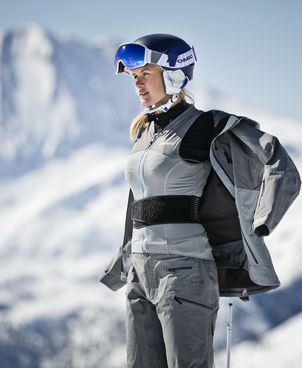
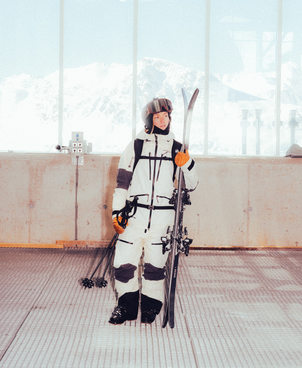
To go skiing, you must first think about dressing accordingly. You will therefore need a ski suit or pants and a ski jacket. They must be warm enough, waterproof, breathable, and loose, to facilitate your movements. Ideally, on a warmer and sunnier day, your suit or jacket packed in your ski bag is equipped with a retractable lining to ski without suffering from the heat.
Forget the multiple layers: take a t-shirt and thermal base layer pants, that should be enough, as you will be moving often. But if you go to high-altitude resorts (and therefore low temperatures) such as La Plagne or Tignes, also put on a breathable fleece jacket over your thermal t-shirt, for maximum comfort on the slopes.
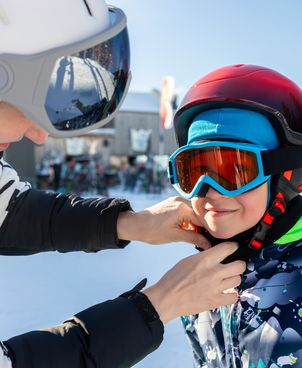
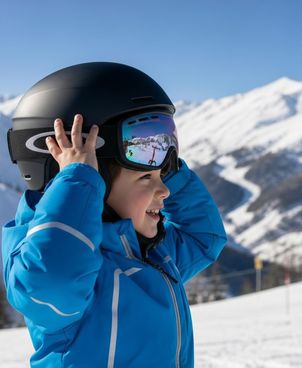
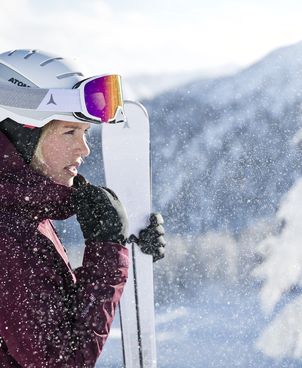
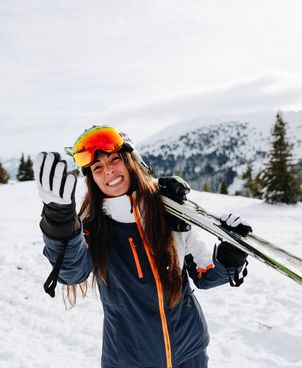
Also make sure you have polarized sunglasses (anti-glare) and/or ski goggles. In the mountains, the weather changes quickly, it's better to have these 2 types of eye protection, to be able to make the most of your skiing experience (on the slopes as well as on a sunny terrace!).
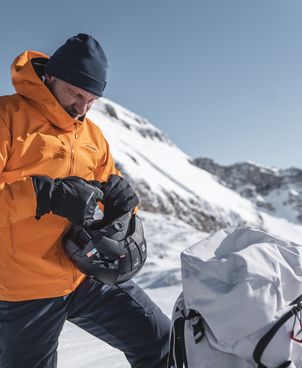
In your ski bag, also pack a scarf, a neck warmer or a balaclava, warm and waterproof gloves or mittens (ideally with wrist protectors if you snowboard). There are also heated ski gloves, which is ideal for people who are sensitive to cold.
Finally, take a hat or any other system of ear protection depending on your sensitivity to cold and the weather conditions: earmuffs, headband...
Check that this type of accessory does not prevent you from putting on your helmet if you wear one.
Finally, take socks in your ski bag, to protect you from cold and humidity, but still thin enough to fit in your ski boots (ideally, bring a pair of socks to try on your boots, to avoid being uncomfortable once on the slopes).
A backpack (waterproof) can also be very useful for carrying items too bulky for your pockets: water bottle, food, selfie stick...
For après-ski, choose warm clothes such as a sweater, sweatshirt, or fleece, especially if you go out late to enjoy the lively evenings of winter sports resorts like Courchevel or Avoriaz.
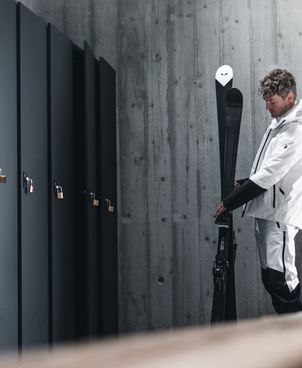
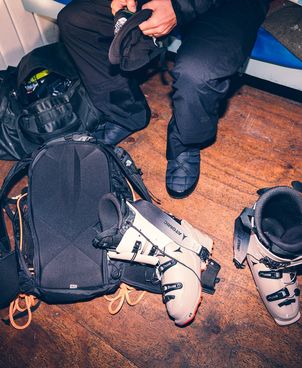
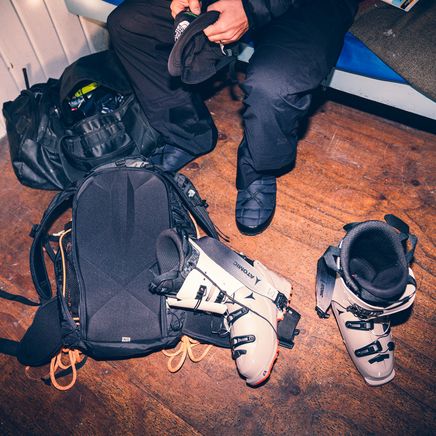
Next to your ski bag, bring your skis, poles, and boots if you own them...unless the equipment is too obsolete or no longer glides correctly. It's better not to invest in skis for your children (unless they have reached their adult height), as they are constantly growing. Instead, opt for ski rental online or at the resort: Sport 2000 stores all offer a range of equipment for children, which may include ski and snowboard equipment and the required accessories.
What health and safety accessories to take skiing?
Even if it is not mandatory, we strongly recommend that you equip yourself with a helmet, which can help you avoid trauma and serious accidents. Your helmet must be sufficiently light and comply with CE-EN 1077 (European standard) or ASTM F-2040 (American standard) standards, guaranteeing a good degree of protection. Also avoid packing models equipped with headphones in your ski bag, as they may distract you and increase the risk of an accident.
If you go off-piste, also bring a ski GPS, a probe, an avalanche transceiver and a shovel.
Finally, remember to put several essentials in your toiletry bag :
a quality sunscreen, with a high protection factor (50): the reflection rate exceeds 80% on snow, while it is only 5 to 10% on the water's surface;
a protective lip balm, also very sensitive and fragile to the sun;
a disinfectant and bandages;
aspirin;
moisturizing cream for après-ski.
Which ski bag to choose?
And the bag itself? We have discussed the content, not the container. So, what type of ski bag to choose?
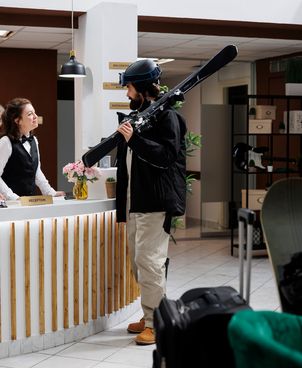
Opt for a robust but lightweight model (usable all year round), ideally synthetic. Ideally, opt for a bag equipped with a telescopic handle, to be able to move faster with it.
As for the capacity of your luggage, it depends on what you need to bring and the means of transport used. If you are traveling by train or plane, or in a car with several people, it will probably be better tooptimize space with a medium-sized bag. A few tips can help you save space: roll clothes instead of folding them when possible, avoid duplicate items and accessories, use vacuum storage bags, etc.
Our latest tips for packing your ski bag
Now that you know what you will need, you must be sure not to forget anything. Don't hesitate to make a list a few weeks before leaving, which you will fill in as you think of specific accessories. You can then pack your bags more calmly and leave with peace of mind.
Also think about all the essentials to bring when traveling: means of payment, identity documents, underwear, medicines, phone charger, etc.
Finally, don't necessarily rely on weather forecasts to choose the clothes to put in your bag, even if you check them the day before you leave for your vacation. Indeed, in the mountains, the weather can change quickly: temperatures can be mild at the bottom of the resort, but much colder at the summits, and snow can quickly start falling even if the sky was clear an hour earlier.