How to choose your ski helmet?
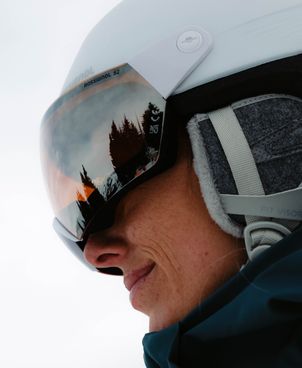
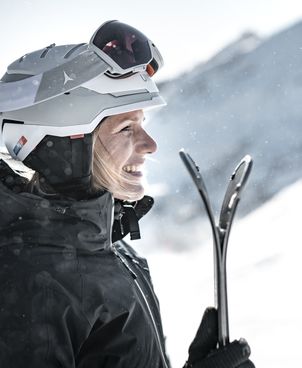
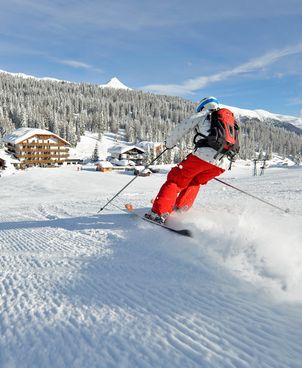
While wearing a helmet is not yet mandatory on alpine ski slopes (outside of lessons), it is highly recommended in all French resorts, as it protects the heads of young and old skiers in case of a fall or collision. And this applies regardless of your level: from beginner skiers to glide experts, everyone is subject to the risk of some kind of impact.
Nevertheless, for it to be effective and offer real protection, it is important to choose your ski helmet well. Here are some tips to guide you and understand the characteristics of different ski helmets!
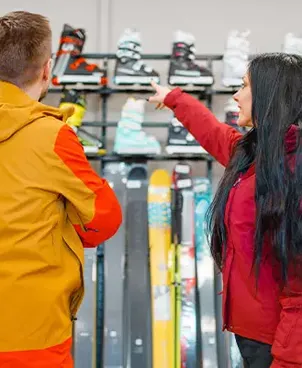
And don't forget that we also offer expert advice to help you choose your goggles, snowboard, ski boots, etc. in the category "Other sliding sports and accessories".
In summary
The choice of a ski helmet depends on 3 criteria: size (measure head circumference at eyebrow level), discipline (classic for ski/snowboard on piste, more solid for freestyle, light and ventilated for freeride/touring) and options (in-mold ventilation, adjustments, thermal lining, integrated visor, MIPS technology for high-end models). Price-wise: from 40€ for a simple adult model, 25-60€ for children. At Sport 2000, rental provides access to brands like Poc, Smith, Bollé, Oakley, Julbo, with shells checked and linings disinfected between each rental.
Easily find a helmet that fits
The first step to choosing your ski helmet is to know your size, because to be effective against impacts and comfortable, the helmet must fit perfectly on the head of the skier without being too tight, especially around the temples.
To choose the right helmet size, you must start by measure your head circumference. To do this, use a tape measure and measure around your head horizontally, using your eyebrows as a reference. You will thus obtain your head circumference in cm, which will allow you to choose a suitable helmet.
Our tip: if you don't have a tape measure, you can use a rope or string that you can then measure with a ruler or a meter stick, by laying it flat on a table, for example.
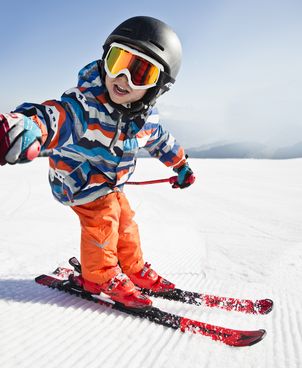
To more easily find the right size, look for your helmet in the category that corresponds to you: man, woman, teen, or child.
Choosing your ski helmet according to your discipline
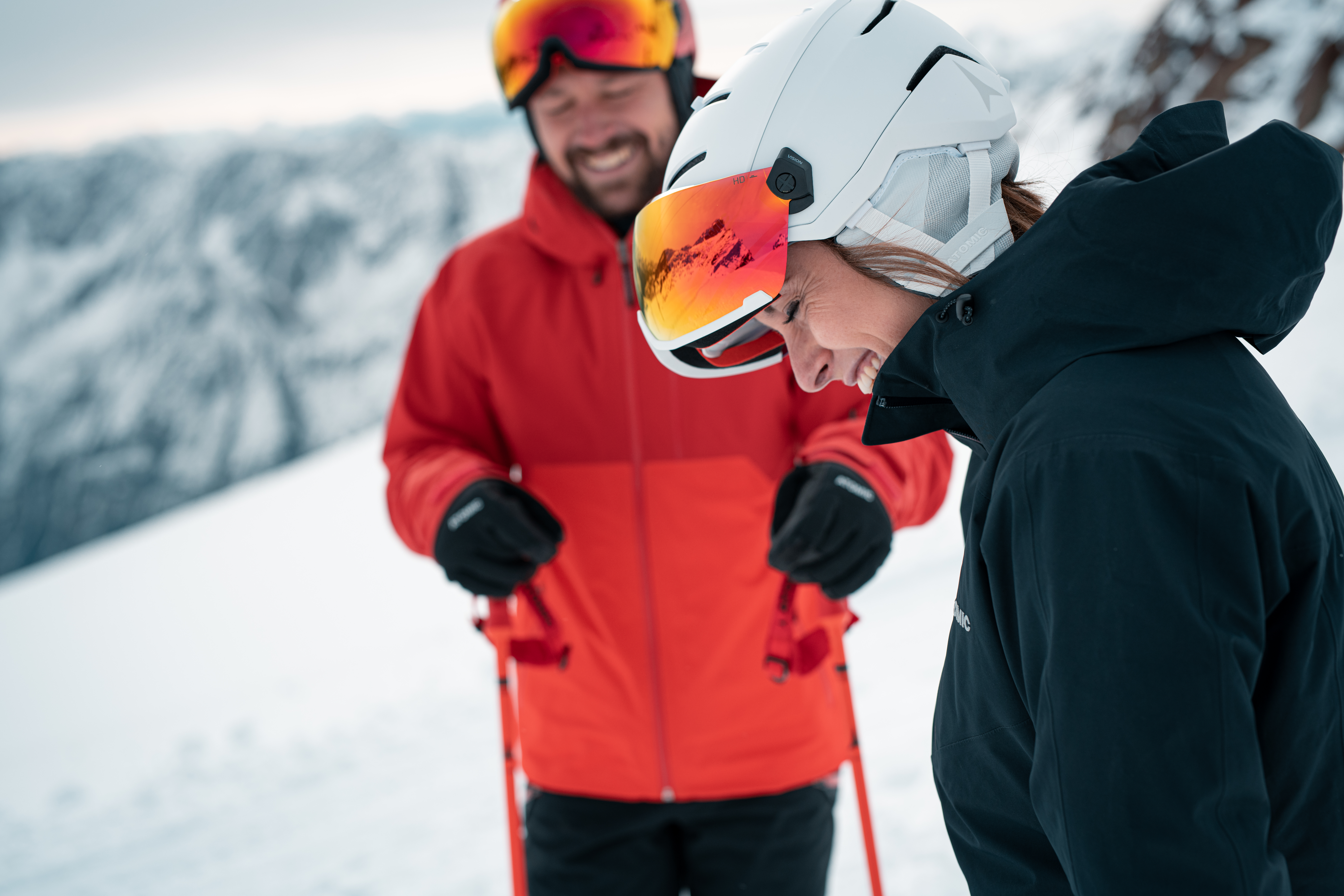
Choosing your ski helmet should not be done only by taking its size into account; you must also ask yourself how you will use it. Indeed, if you only wish to go alpine skiing or snowboarding on piste, you can settle for a classic and versatile helmet that will protect you in the event of a fall or collision with another skier. Nevertheless, if you wish to try freestyle, it will be strongly advised to choose a helmet dedicated to this practice, more solid and more resistant.
For ski touring or freeriding, it is advisable to choose your ski helmet from among lighter and better ventilated models, which will thus be more easily forgotten and guarantee you more comfort, as air can circulate more freely, while protecting you from the cold. This type of practice presenting a lower risk of falling (unless you go through dangerous places), it is not necessary to wear a heavy and more robust helmet.
Other characteristics to consider when making your choice
As you will have understood, to choose your ski helmet, you must first focus on the question of safety, but this is not the only element to consider. Indeed, helmet manufacturers offer you to benefit from more comfort by opting for helmets equipped with accessories such as:
a more or less significant ventilation to evacuate heat (the "in-mold" construction of helmets, for example, allows for better ventilation than ABS construction, while reducing their weight);
adjustment systems to perfectly adjust the helmet to your head and your other equipment (goggles, glasses) and to make wearing the helmet more comfortable;
a more or less thick inner lining, which offers more protection against the cold;
an integrated visor to avoid having to wear glasses or goggles;
an audio system allowing you to listen to music while waiting at the ski lifts or taking a break on the slopes. But be careful not to use this technology when you are skiing or snowboarding, as you will not be fully aware of your environment and other skiers, which increases the risk of accident.
These features are optional and can double the price of helmets, or even more if you opt for a high-end model (e.g.: helmet with MIPS technology even more effective against impacts, with photochromic visor, with ultra-efficient ventilation system, etc.).
For a simple helmet that guarantees comfort and safety, you will find models starting from around 40 euros. Children's versions are generally available at prices between 25 and 60 euros. You can thus equip yourself without spending a fortune, but above all, without forgetting that your safety is priceless!
The choice of your ski helmet must therefore be made by taking into account your budget, your needs, your desires, but also the frequency of use of your equipment : it is indeed of little use to choose a state-of-the-art helmet if you plan to use it one week a year; a mid-range model will do perfectly.
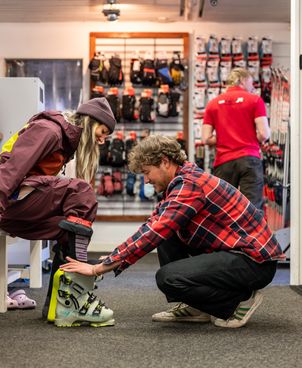
Finally, don't forget that during your mountain holidays, you can also rent your adult or children's ski helmet in our Sport 2000 stores ! You will be sure to have a helmet that complies with the current standard and chosen from reference brands in mountain sports (e.g.: Poc, Smith, Bollé, Oakley, Julbo, etc.). The shell is obviously regularly checked and the lining disinfected between each rental.