How to ski parallel in all circumstances: techniques to learn
When it comes to learning to ski, and then progressing, many questions arise: how to ski parallel downhill and in turns ? What is the importance of body position and pole planting? How to make carved turns using ski edges? How to brake while keeping your skis parallel ? How to succeed with the wedeln technique ?
To help you see more clearly and move up to the next level, Sport 2000 experts offer you some theoretical advice, which you can then put into practice on the slopes!
In summary
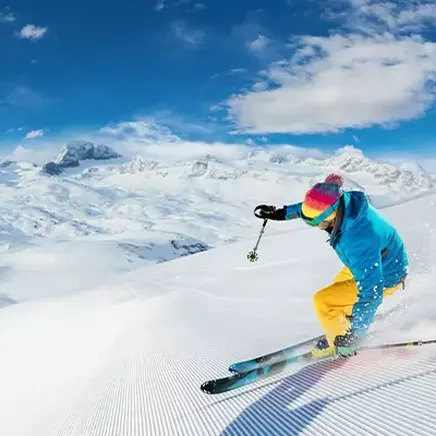
The parallel turn is an essential step to gain precision and ski with greater ease on all slopes. A good posture, controlled weight transfer, and appropriate speed quickly improve technique. Thanks to Sport 2000's advice, discover how to master your parallel turns and build your confidence whatever the conditions. Continue reading to perfect your skiing.
How to ski parallel downhill?
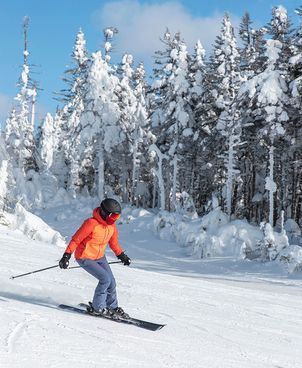
To ski parallel well, look at your skis as little as possible, don't be afraid to spread them out to avoid falls. Place all your weight forward (your shins pressed against the boot tongue), in order to control your speed and be able to slow down or stop when necessary. When you are more comfortable and confident, you can gradually bring your skis closer together.
Good to know: don't hesitate to ask our salespeople for advice in your ski rental store and take ski lessons with an instructor to learn step by step, safely and without picking up bad habits.
How to ski parallel in turns?
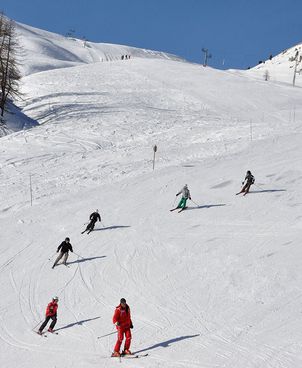
When you turn, bend your knees, torso towards the slope, while pressing on the pole on the side you want to turn: left pole to turn left and vice versa to turn right.
How to ski parallel in a turn? Concentrate your body weight on the outside ski during the turn to apply pressure, which will give you enough momentum to go around your pole, while gradually raising your legs and torso as you go around it.
Mastering the parallel turn is not easy at first. Therefore, it's better to slow down to learn how to perform this movement correctly. As much as possible, don't look at your skis, but in front of you, in the direction you want to go! At first, don't bring your skis too close together.
When observing professional skiers (like at the French championships in Auron) to understand how to ski parallel in turns, we notice the importance of pole plant timing : if you plant it too late, it won't help you turn and you might even fall by leaning too far forward.
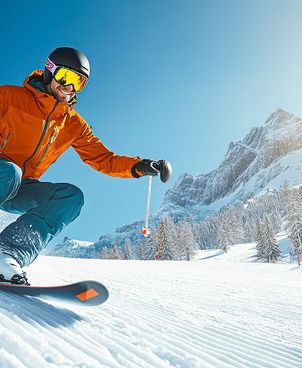
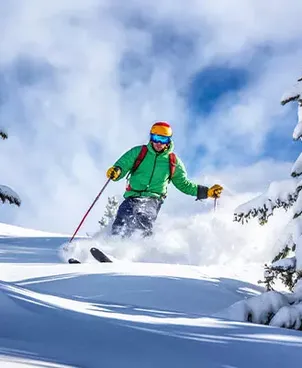
However, when you master the turning technique, you can gradually bring your skis closer together, and use your edges for dynamic turns.
How to brake with parallel skis?
How to ski parallel, while knowing how to brake? It's the skidding technique : keep your back straight, lean your torso forward, bend your knees, putting your weight on the uphill ski (inside ski), while bringing your skis as close as possible.
You must also pay attention to the consistency of the snow. If the snow is abundant enough, properly groomed, skidding with parallel skis poses much less of a problem than on ice (while keeping your skis parallel). Hence the importance of properly controlling your speed to be able to anticipate and, if possible, avoid icy surfaces that can cause an unsuspecting skier to lose balance.
Thanks to skidding, you will have better braking control when you are at medium or high speed (compared to the snowplow braking technique). Mastering it will allow you to gain confidence and move into the intermediate skier category.
How to make tight turns?
The wedeln is a skiing technique for turning. It is characterized by short and very tight turns, with skis together.
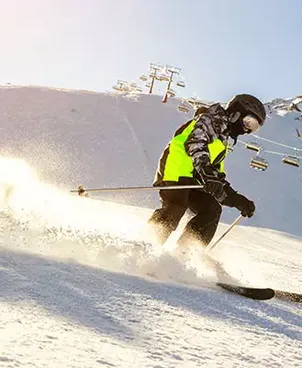
How to ski parallel with wedeln? To perform it, you must execute a parallel turn, but making maximum use of the "flexion-extension" rhythm of your legs, with your back slightly curved backward to promote elasticity, in order to link turns quickly. As soon as you finish a turn in flexion, you must immediately be ready to perform a flexion for the next turn. To maintain this rhythm, you must only make short turns and quick movements.
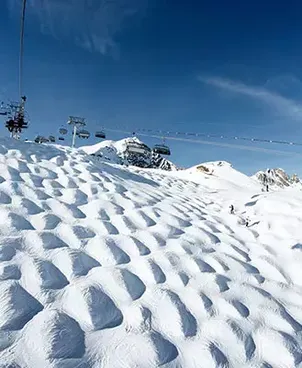
This technique applies to slopes of all levels, but is even more useful on mogul runs.
That's it, you know everything, and can now set off to conquer famous ski resorts like Tignes or La Clusaz...however, starting with green and blue runs (for beginners), until you sufficiently master the art of parallel skiing.
Also, remember to book your equipment in advance through Sport 2000 online rental: you will find skis for every level, for on-piste or off-piste, with boots and poles.

FAQ
Frequently asked questions
-
What is parallel skiing?
Parallel skiing consists of keeping both skis side by side during turns to achieve better control.
-
When do you learn the parallel turn?
This technique is generally approached after mastering the snowplow.
-
How to improve your parallel skiing?
Work on your balance, pressure, and gaze to make your turns more fluid and precise.