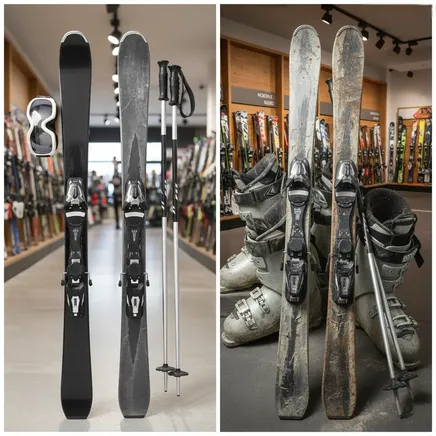
Well-maintained equipment VS neglected equipment: the consequences on gliding performance
Skis that stick to the snow, early fatigue, edge errors: if you have already experienced this kind of situation on the slopes, it may be partly due to thestatus of your equipment. If a well-maintained ski does not make you a better skier, it is indeed a prerequisite for ski in the best conditions, to maximize performance and facilitate learning among the youngest. But concretely, what is the difference between a ski carefully prepared by experts and a poorly maintained ski? We explain everything!
In summary
A poorly maintained ski equipment can reduce your performance, impair your safety and diminish the pleasure of riding. Conversely, a ski maintenance regular improves the grip, speed, and lifespan of your equipment. Sport 2000 explains the differences between well-maintained equipment and neglected equipment, as well as best practices for keeping skis performing throughout the season. Discover in the rest of the article why maintaining your ski equipment is essential for skiing in the best conditions.
The differences between a well-maintained ski and a neglected ski
Well-waxed ski VS dry base: impact on glide and fatigue
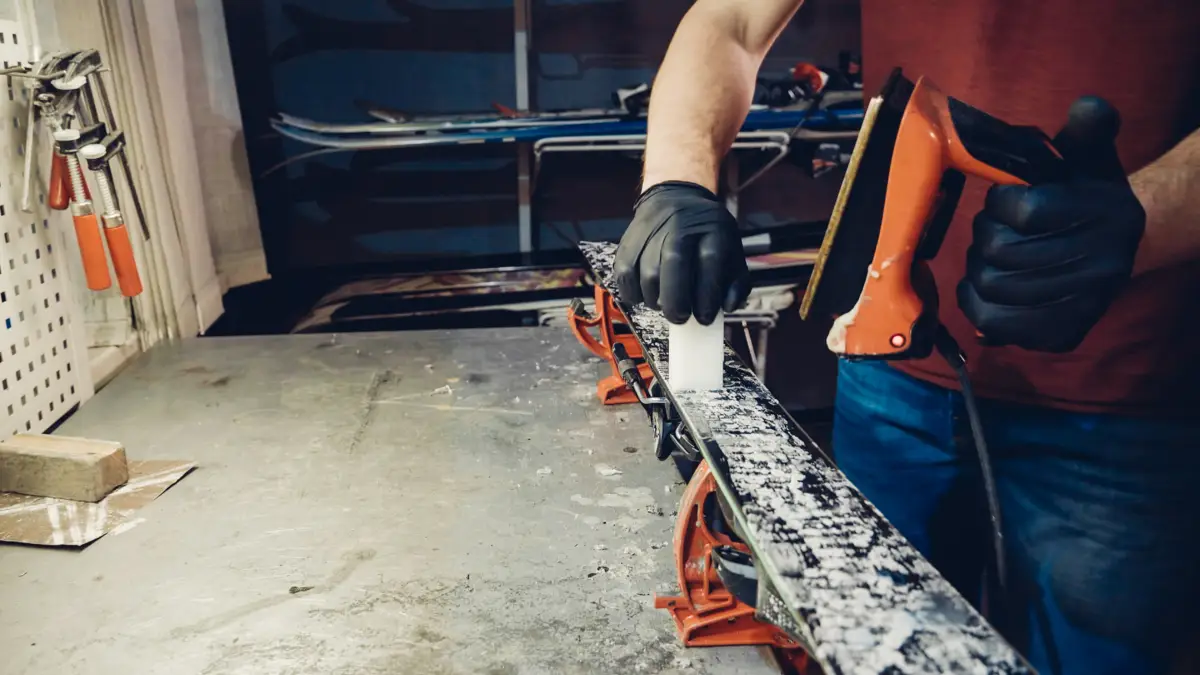
The waxing of your skis (or your snowboard) is not optional. This step, which consists of applying a suitable wax to the ski base, has two main objectives:
facilitate the smooth glide of the ski on snow;
preserve the base from wear.
Between a ski waxed by a pro and a dry or poorly waxed base, the sensations are very different:
fluid glide, without jerks VS feeling of braking, of a ski that "sticks";
responsive ski VS difficult-to-control ski, which grips the snow;
minimal effort to maintain speed VS premature fatigue;
good evacuation of the water film under the base VS "suction cup effect".
Sport 2000 Tip : to recognize a well-waxed ski, you can rely on the smooth, uniform, and almost satiny appearance of the base, and a soft, slightly "greasy" feel.
Sharpened edges VS rounded or damaged edges: impact on grip and precision
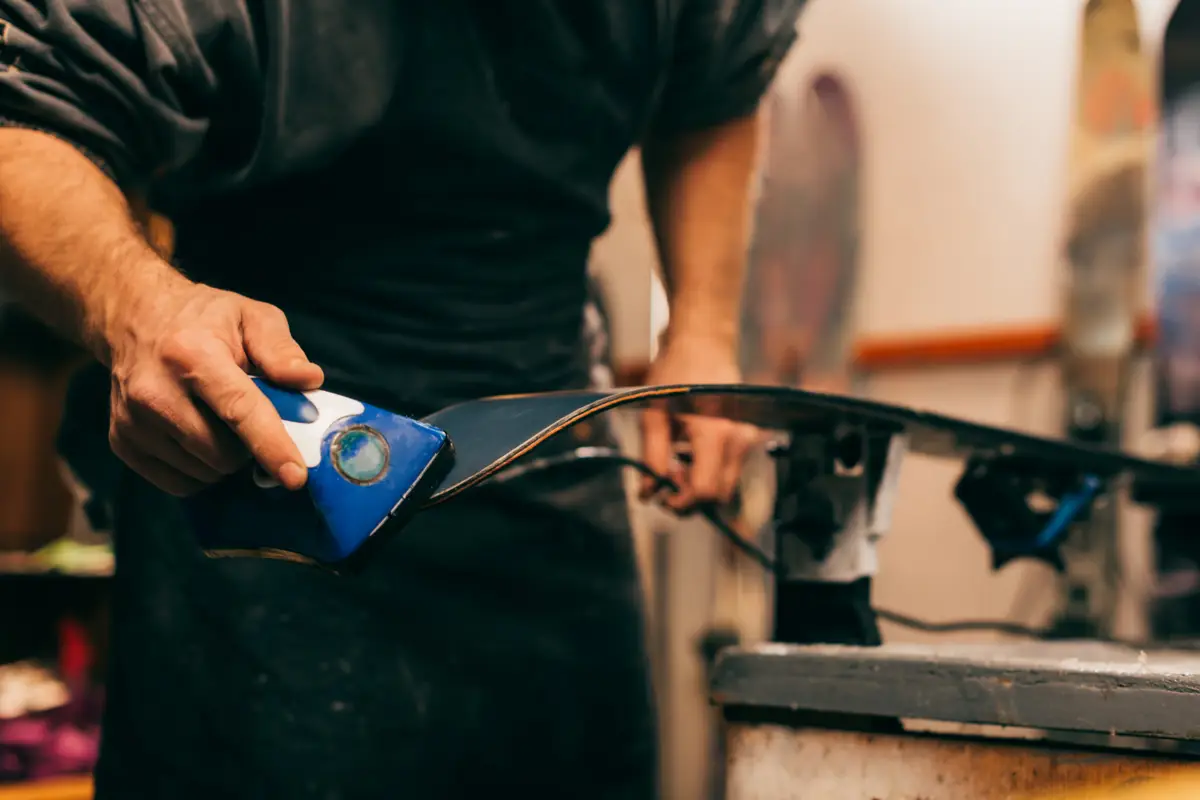
Another essential operation for high-performance skis: thesharpening of the edges, which are the metal edges on the sides of the ski, allowing it to grip the snow. A well-sharpened edge is a prerequisite for the ski to enter the snow well, allow confident turns, etc.
More concretely, you will experience very different sensations if you have perfectly sharpened edges, compared to rounded or oxidized edges :
immediate and reliable grip VS unpredictable skidding;
safety on all types of snow (including hard, icy, tracked) VS risk of slipping and falling;
stable ski VS difficulty holding a traverse or a steep slope;
in turns: precision, control and good rebound VS longer response time, more effort required to make the ski grip;
predictable ski, with a larger margin of error and fewer permanent corrections VS constant tension, loss of confidence and increased fatigue.
Sport 2000 Tip : to recognize sharpened edges as they should be, the edge must be clean, sharp, and continuous, with a regular angle along its entire length without any dull areas.
Damaged base VS maintained base: impact on ski performance and lifespan
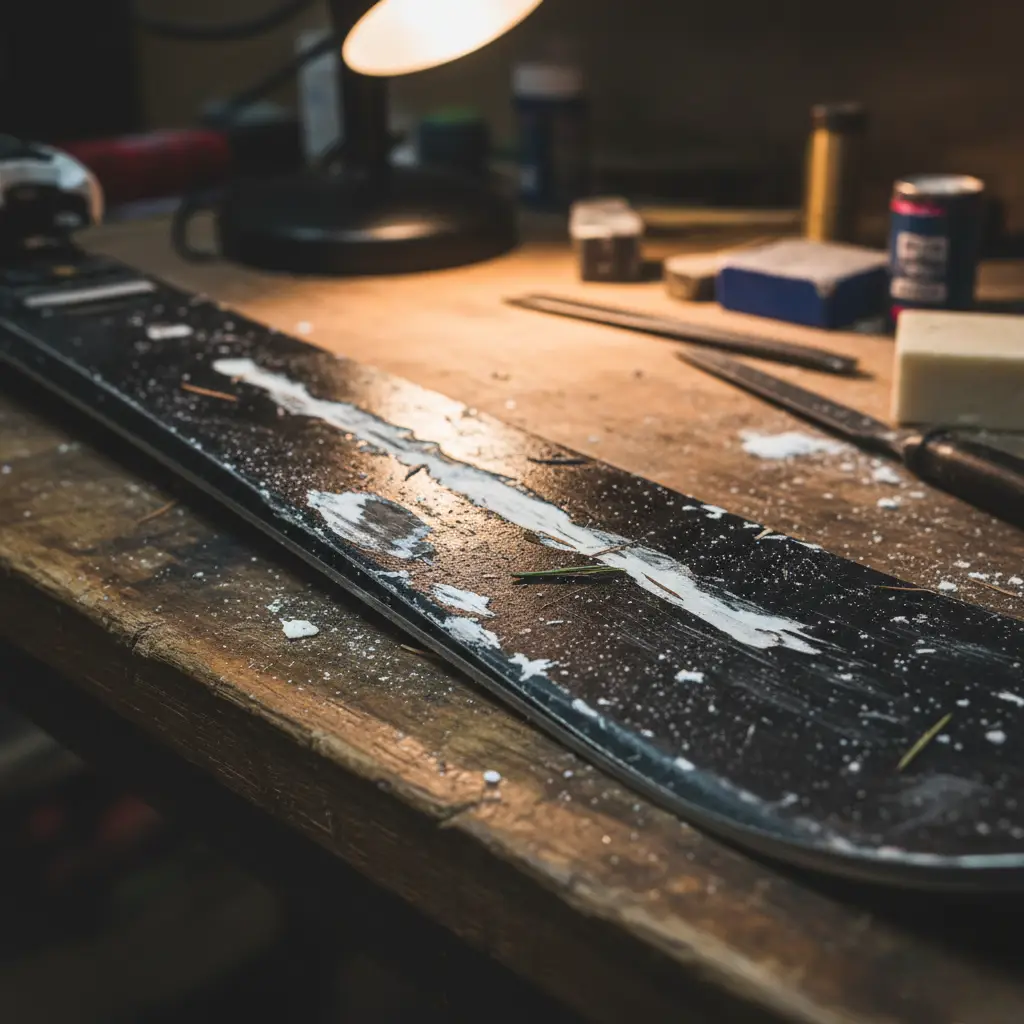
Over time, but also through contact with hard snow, small stones or any other obstacle, the ski base can quickly get damaged. This is especially true if regular maintenance is not carried out and if one waits too long before making repairs.
However, this wear and these small holes have a real impact on performance and gliding sensations. Between a well-maintained base and a damaged base, here are the tangible differences:
fluid, constant glide and speed retention VS loss of glide, sensation of a slow ski that brakes randomly;
balanced and comfortable ski VS parasitic vibrations;
regular contact with snow VS sensation of a ski that sticks or brakes;
clean transitions and turns VS obligation to compensate with the body.
Furthermore, a damaged base will initiate a vicious circle. The wax penetrates less well: this further degrades performance and prevents it from fulfilling its role of protecting the base, which will then become even more damaged.
Sport 2000 Tip : to know if a ski base is in good condition, make sure it has a uniform black color, with a smooth appearance, without deep scratches, hollows and snags, nor grayish or whitened areas.

Carefully maintained ski VS neglected equipment: what to remember
A maintained ski is therefore not a luxury or a privilege reserved for professional skiers: it's comfort, safety, and more pleasure.
To summarize, here's what it changes for you as a skier:
less effort and less fatigue;
more safety, especially on hard snow;
more confidence;
equipment that lasts longer.
For children more specifically, a well-maintained and well-prepared ski means:
an easier-to-master ski that allows for faster progression;
fewer falls;
less apprehension and more desire to ski.
How to preserve ski performance and safety?
Now that you know the importance of a well-maintained ski, you are surely wondering how to prevent equipment from deteriorating and how to best preserve its gliding qualities. Here's what you need to know!
Wax and sharpen skis regularly
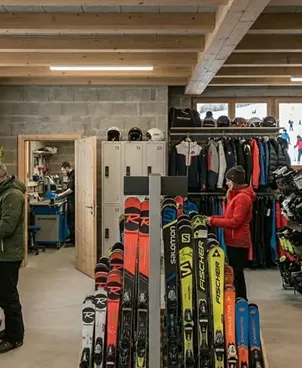
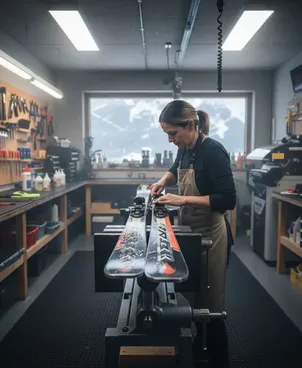
Unless you are an experienced and knowledgeable skier, it is preferable to entrust equipment maintenance to professionals in winter sports like Sport 2000. In their workshop, they have all the necessary equipment and put their expertise at your service.
If you have your own pair of skis, it is advisable to have them waxed and sharpened at the beginning of the season, then depending on the intensity of use and snow conditions (on average, every 5 to 7 days).
Store equipment in suitable conditions
Improper storage can damage the ski base and accelerate the oxidation process of the metal edges. Ideally, you should:
thoroughly dry the equipment every evening, and before summer storage;
store skis flat, in a protective cover ;
store equipment in a dry place.
Check settings and equipment condition
While there are recommendations on the frequency of ski maintenance, you should also regularly check their good condition.
Does the base still seem well-waxed? Have the sensations on snow deteriorated? Do the edges have a clean and regular edge? Are there small holes in the base? These are all signs to pay attention to in order to take the skis to the workshop at the right time.
And if you tend to unclip too easily or, on the contrary, not to unclip when you should, it is important to take them to the store to adjust the binding adjustment.
Ski rental with Sport 2000: serenity and performance
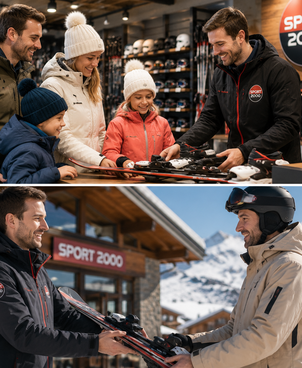
Do you want to make the most of your family ski holiday, without worrying about the maintenance of skis and snowboards? The equipment rental proves to be a very good option, thanks to the expertise and quality commitment of the Sport 2000 teams.
Indeed, rental equipment is checked and regularly maintained in the workshop, to offer you the best performance and one real sense of security. This applies to skis intended for expert skiers, as well as those for beginners, children and teenagers.
In other words, Sport 2000 offers you more than equipment from the best brands: we guarantee your peace of mind and a real pleasure shared on the slopes.

FAQ
-
What are the consequences of poorly maintained ski equipment?
A poorly maintained ski equipment can lead to a loss of glide, poorer grip on snow, and premature wear of skis. Dull edges or a dry base also reduce turn precision and can affect your safety on the slopes.
-
How to maintain your skis to keep good performance?
To preserve the performance of your ski equipment, it is recommended to perform a ski maintenance regular including base waxing, edge sharpening and general inspection of bindings. These operations improve glide quality and extend the life of your skis.
-
Why entrust the maintenance of your skis to Sport 2000?
Sport 2000 provides you with professional services ofski maintenance adapted to all practice levels. Thanks to waxing, edge sharpening, and repairs carried out by qualified technicians, your ski equipment regains optimal performance for safe skiing.